
ExpatAdminHubEuropean expat guide
FR
Menu▾
HomePrivacyCookiesAboutContact
All guidesPreparationHousingFinanceHealthcareWorkFamily
ExpatAdminHubEuropean expat guide
HomePrivacyCookiesAboutContact
Categories
All guidesPreparation (checklists, visas, moving)Housing (rentals, utilities, neighborhoods)Finance (banking, taxes, budgeting)Healthcare (insurance, doctors, pharmacies)Work (jobs, contracts, work permits)Family (schools, childcare, family life)Culture (language, customs, integration)
FR

ExpatAdminHub

Practical guides for European expats navigating admin, housing, healthcare, and everyday life abroad.

Navigation

HomeAboutContactPrivacyTermsSitemap

Stay Updated

1 tip per week, no spam.

© 2026 ExpatAdminHub · European expat guide.
FR

Finance

banking, taxes, budgeting

Furnished or Unfurnished? The Tax & Lease Decision for Foreign French Property Owners (2026)
Finance · 04 May 2026

Furnished or Unfurnished? The Tax & Lease Decision for Foreign French Property Owners (2026)

Most foreign owners of French rental property face the furnished-versus-unfurnished question once and resolve it from intuition: furnished feels easier ("I can keep my own things in there"), unfurnished feels more committed. The tax and lease consequences of that intuition are larger than most owners realise, and they cut in opposite directions. Furnished sits under the BIC regime (Bénéfices Industriels et Commerciaux) with the LMNP statute — a commercial-income tax frame that allows building amortissement large enough to drive taxable rental income close to zero in the early years. Unfurnished sits under revenus fonciers with simpler accounting but no amortissement, and a 3-year lease with a more stable tenant. The choice is irreversible only in one direction (opting out of micro-foncier into régime réel binds you for 3 years; the reverse is automatic). This guide walks through the tax math, the lease-duration trade-off and the operational footprint each path produces, framed for foreign owners specifically — where the choice is made remotely, often without a French accountant, and where the wrong default can cost meaningful tax efficiency every year for the life of the lease.

Read the article
Becoming a French Landlord as a Non-Resident: First-Year Tax & Admin Setup (2026)
Finance · 02 May 2026

Becoming a French Landlord as a Non-Resident: First-Year Tax & Admin Setup (2026)

Owning a rental property in France while living outside it puts you in the most-misunderstood corner of the [French tax system](/en/blog/2026-04-19-declaration-revenus-france-expats-guide-2026). The rental income is French-source, which means France taxes it regardless of where you live (Article 164 B of the Code Général des Impôts). But you are a non-résident fiscal — and that single status changes which tax office you write to, which forms you file, the minimum rate applied to your French income, whether 17.2% in social contributions also apply, and whether you need a fiscal representative. This guide walks foreign-national French property owners through the first-year setup: who you are in the eyes of the FISC, where to register, what you'll file every May, and the specific traps that trip up first-time non-resident landlords. Sources at every step are official: legifrance, impots.gouv.fr, the Bulletin Officiel des Finances Publiques (BOFiP), and ANIL.

Read the article
French Tax Declaration 2026: Step-by-Step Guide for Expats (Déclaration de Revenus)
Finance · 19 Apr 2026

French Tax Declaration 2026: Step-by-Step Guide for Expats (Déclaration de Revenus)

Tax season is live in France right now. Online filing on impots.gouv.fr opened on 9 April 2026, and the first deadlines hit in just over a month — paper returns by 19 May, and online returns staggered from 21 May to 4 June depending on your département. For expats, this is never a routine exercise: beyond the main formulaire 2042, you likely need the 2047 for foreign income, the 3916 for foreign bank accounts (€1,500 fine per missed account), and critical boxes like 1AF/1BF for foreign salary and 8TK for the credit d'impôt that prevents double taxation. First-year filers face the steepest learning curve because the tax office sends no reminder email if you haven't yet created an espace particulier. This guide walks through every stage — who must file, which forms apply, how to navigate impots.gouv.fr screen by screen, and how to avoid the five mistakes that cost expats hundreds of euros every year. If you've been putting this off, now is the week to act.

Read the article
Swiss Second Pillar (LPP/BVG): Complete Retirement Guide for Cross-Border Workers
Finance · 03 Apr 2026

Swiss Second Pillar (LPP/BVG): Complete Retirement Guide for Cross-Border Workers

If you work in Switzerland as a frontalier, a significant portion of your salary is automatically invested in the second pillar — Switzerland's occupational pension system (LPP/BVG). Understanding how it works, how much you contribute, and what happens when you leave Switzerland or retire is essential for long-term financial planning. Yet most cross-border workers barely know what is in their pension account.

Read the article
French Tax System for Expats: First Year, Partial Year, and Cross-Border Income Explained
Finance · 02 Apr 2026

French Tax System for Expats: First Year, Partial Year, and Cross-Border Income Explained

Arriving in France means entering one of Europe's most complex tax systems. Between the prélèvement à la source, the déclaration de revenus, the avis d'imposition, and special rules for partial-year and cross-border income, most expats overpay or miss deductions in their first years. This guide breaks down exactly how French taxation works for newcomers — with the legal references to back it up.

Read the article
Wake Up to a Frozen Bank Account: The 8-Month Expat Trap Nobody Warns You About
Finance · 07 Jan 2026

Wake Up to a Frozen Bank Account: The 8-Month Expat Trap Nobody Warns You About

You moved 8 months ago. Everything seemed fine. Then this morning: declined card. Blocked transfer. Account closure notice. Nothing dramatic happened yesterday. The problem was building in silence: • Your address change wasn't fully processed • Cross-border transactions triggered internal alerts • Tax and visa data created residency doubts European banks don't warn you. They watch. They wait. Then they act—suddenly. This article shows why thousands of expats lose banking access months after moving, how your residency and tax data are cross-checked right now, and what you can do tonight to prevent a freeze.

Read the article
January 1st Changed Your Tax Rate (Your Payslip Won't Tell You Until February)
Finance · 06 Jan 2026

January 1st Changed Your Tax Rate (Your Payslip Won't Tell You Until February)

January looks calm. No forms. No deadlines. No letters. But behind the scenes, 12 tax parameters just reset. Your residency status. Your contribution class. Your withholding rate. All recalculated—silently. You won't see it until February's payslip. By then, the assumptions are locked for the year. This article shows: • What actually resets on January 1st • Why locals barely notice but expats get hit hard • How to catch changes before they lock in You have one narrow window to fix this. It closes fast.

Read the article
Why 'I'll Fix It Next Year' Is the Most Expensive Tax Sentence for Expats
Finance · 31 Dec 2025

Why 'I'll Fix It Next Year' Is the Most Expensive Tax Sentence for Expats

Almost every expat has said it at least once: 'I'll deal with taxes next year.' The sentence feels reasonable, calm, and responsible. In reality, it is one of the most expensive habits in expat life. This article explains why waiting is never neutral in taxation, why timing matters more than effort, and why many expats only realise the cost when it is too late.

Read the article
The Tax Box Expats Tick Without Thinking — And Regret Every Year
Finance · 30 Dec 2025

The Tax Box Expats Tick Without Thinking — And Regret Every Year

Most expats believe tax mistakes come from missing deadlines or forgetting documents. In reality, some of the most expensive mistakes come from something far smaller: a single box ticked on a declaration form. Often pre-filled, poorly explained, and easy to overlook, that box can quietly determine your tax regime for years. This article explains why expats fall into this trap, why regret arrives late, and why undoing the choice is far harder than making it.

Read the article
Why Tax at Source Makes Expats Overpay — And Why It's Rarely Corrected
Finance · 29 Dec 2025

Why Tax at Source Makes Expats Overpay — And Why It's Rarely Corrected

Tax at source was introduced across Europe with a simple promise: remove friction, reduce stress, and make taxation easier for everyone. For many local workers with stable, predictable lives, that promise largely holds true. For expats, however, tax at source often does the opposite. While automatic withholding feels reassuring on the surface, it frequently hides structural inefficiencies that quietly cost money year after year. This article explains why tax at source systematically disadvantages many expats, why the resulting overpayment is so difficult to detect, and why corrections are far rarer than people expect.

Read the article
The Tax Mistake Most Expats Only Realise After It's Too Late
Finance · 26 Dec 2025

The Tax Mistake Most Expats Only Realise After It's Too Late

There is one tax mistake that unites expats across Europe. It is not fraud, not negligence, and not ignorance. It happens quietly, month after month, while everything appears to be handled correctly. Most expats only discover it once the year is over - when refunds are limited, deadlines have passed, and the money is already gone. This article explains what that mistake really is, why it happens to competent people, and why Europe's tax systems allow it to repeat year after year.

Read the article
Why So Many Expats Discover in January That They Overpaid Thousands in Taxes — And How It Happens
Finance · 24 Dec 2025

Why So Many Expats Discover in January That They Overpaid Thousands in Taxes — And How It Happens

Every January, the same quiet shock spreads through expat communities across Europe. People open tax summaries, simulation tools, or letters from authorities and realise something unsettling: they paid far more tax than they should have. Not because they broke the law. Not because they earned unexpectedly more. But because of structural misunderstandings that only become visible once the year is over. This discovery often happens too late to fix. This article explains why so many expats overpay taxes, why the realisation almost always comes in January, and how perfectly reasonable decisions throughout the year quietly compound into expensive mistakes.

Read the article
AI Car Insurance Is Exploding in Europe in 2025 — What Expats Need to Know Before Switching
Finance · 22 Dec 2025

AI Car Insurance Is Exploding in Europe in 2025 — What Expats Need to Know Before Switching

Car insurance is one of the first administrative shocks many expats experience in Europe. Prices feel opaque, rules vary by country, and insurers seem to penalise anything that does not fit a perfectly local profile. In 2025, a new player is changing this landscape: AI-driven car insurance. Startups like Ominimo are exploding in search interest, promising smarter pricing, faster onboarding, and fairer premiums. For expats, this sounds almost too good to be true. And as always in Europe, the reality sits somewhere between innovation and regulation. This article explains what AI car insurance really changes, what it does not, and why expats need to approach it with both curiosity and caution.

Read the article
The 2025 European Cost-of-Living Reset: Where Expats Actually Save Money This Winter — Real Numbers, Admin Impacts & AI Survival Strategies
Finance · 12 Dec 2025

The 2025 European Cost-of-Living Reset: Where Expats Actually Save Money This Winter — Real Numbers, Admin Impacts & AI Survival Strategies

Europe enters winter 2024–2025 with a very different economic landscape: food inflation stabilising in the West, rents cooling in secondary cities, electricity prices fluctuating but more predictable, and new EU-wide consumer protections coming into effect on 1 January. For expats, this winter is not only about coping with higher costs — it is about strategically positioning yourself in a city or region where quality of life remains high while finances stay under control. This article breaks down the real numbers, the hidden administrative impacts, and where expats actually save money across Europe in 2025. Beyond comparison tables, it provides survival strategies and practical AI workflows to help you navigate housing, healthcare, insurance, and cross-border financial optimisation.

Read the article
EU Banking Shock 2025: New KYC, Account Freezes & Cross-Border Transfers — The Expat Guide
Finance · 05 Dec 2025

EU Banking Shock 2025: New KYC, Account Freezes & Cross-Border Transfers — The Expat Guide

2025 is the year European banks tighten everything. New KYC rules, automatic address checks, temporary account freezes when data does not match, stronger cross-border transfer monitoring and less tolerance for unverified foreign IBANs. Expats are directly affected. This guide explains what is changing, why it is happening now and how to stay safely on the right side of the system.

Read the article
2025 Year-End Checklist for Expats in Europe: Visas, Healthcare, Taxes, Banking
Finance · 02 Dec 2025

2025 Year-End Checklist for Expats in Europe: Visas, Healthcare, Taxes, Banking

December is not just about lights and mulled wine. It is also when a lot quietly changes in your expat life: residence permits expiring in spring, health insurance that auto-renews, tax rules shifting for 2026, banks updating their fees. If you ignore it all, you usually pay later in stress or money. This year-end checklist helps you run a quick but serious review of your situation in Europe.

Read the article
Europe’s Expat Banking Shake-Up 2025: What Every Foreigner Must Prepare For
Finance · 30 Nov 2025

Europe’s Expat Banking Shake-Up 2025: What Every Foreigner Must Prepare For

2025 is bringing the biggest banking shift in Europe since SEPA was introduced. New regulations, tighter supervision, account closures, Swiss restrictions, rising fees and the rise of fintechs all collide at the same time. For expats living between countries, this can either be a source of constant friction or a major opportunity. This in-depth guide explains what is really changing, where costs are quietly increasing, how to avoid common traps and how to build a modern banking setup that matches a mobile, international life.

Read the article
EU Banking Shake-Up 2025: New IBAN Rules, SEPA Instant, Hidden Fees and the Best Expat Strategies
Finance · 22 Nov 2025

EU Banking Shake-Up 2025: New IBAN Rules, SEPA Instant, Hidden Fees and the Best Expat Strategies

2025 is a turning point for European banking. Wider deployment of SEPA Instant transfers, stronger rules against IBAN discrimination, rising cross-border fees and the growth of fully online banks mean expats need to rethink their setup. This long-form guide explains what is changing, how it affects you in daily life, and how to avoid losing hundreds of euros a year without even noticing.

Read the article
Best Banking Strategies for Expats 2025: Hidden Fees, IBAN Discrimination, Transfers, SEPA — How to Avoid the Traps
Finance · 21 Nov 2025

Best Banking Strategies for Expats 2025: Hidden Fees, IBAN Discrimination, Transfers, SEPA — How to Avoid the Traps

Opening a bank account abroad should be simple. In 2025, it rarely is. IBAN discrimination still appears despite EU law, SEPA transfers that should be free are charged, hidden FX fees multiply, and some companies refuse payments from specific foreign accounts. This guide explains how to avoid those traps, save hundreds of euros per year and build a resilient banking strategy for your expat life.

Read the article
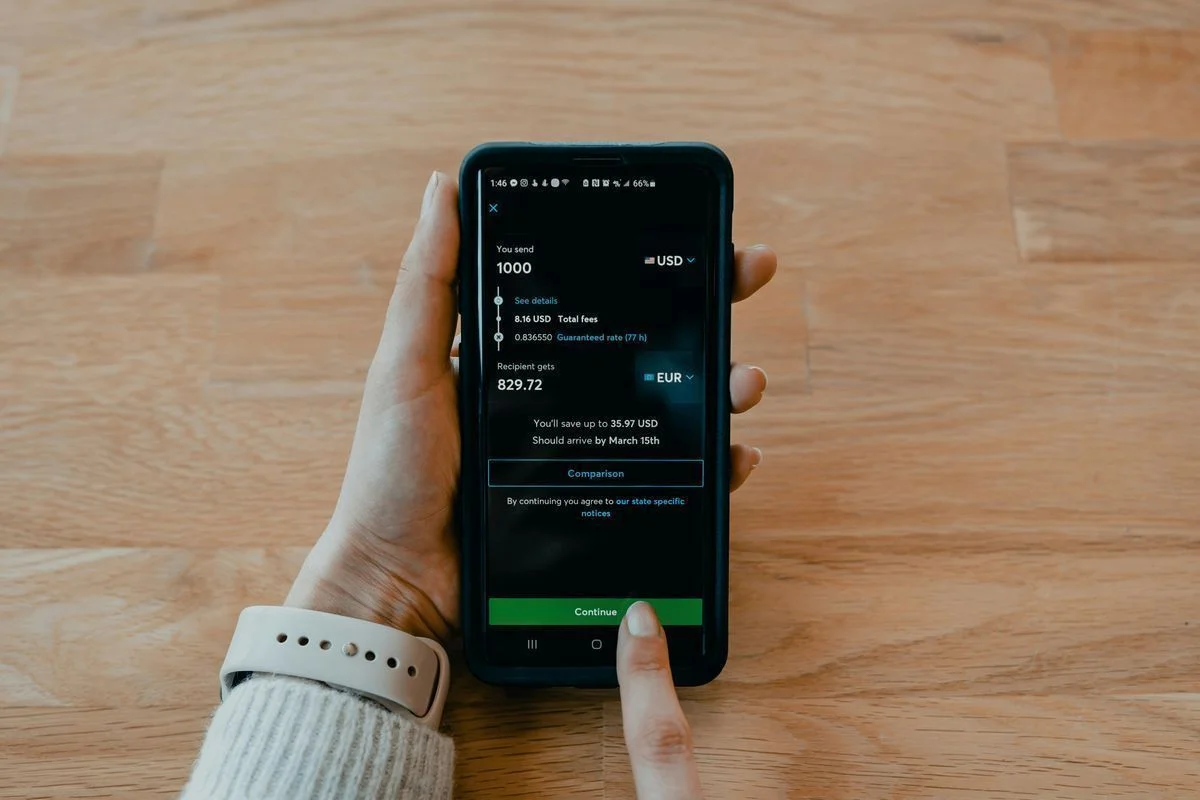
International Money Transfers for Expats in France (2025): Wise, Revolut, Banks – Fees, Rates, Real-World Tips
Finance · 14 Nov 2025

International Money Transfers for Expats in France (2025): Wise, Revolut, Banks – Fees, Rates, Real-World Tips

Moving money across borders is part of daily life for many expats: salary, pension, rent, children’s tuition, or supporting family abroad. Every euro matters, and bank fees can quietly eat a significant share of your income. In 2025, competition between fintechs like Wise, Revolut and N26 and traditional banks such as BNP Paribas, Société Générale or Crédit Agricole reaches a new phase. This guide breaks down real costs, delays, and practical ways to move your money without nasty surprises.

Read the article
Best Banks for Expats in Europe: 2025 Pillar Guide (Accounts, Hidden Fees, IBAN, Real-World Scenarios)
Finance · 09 Nov 2025

Best Banks for Expats in Europe: 2025 Pillar Guide (Accounts, Hidden Fees, IBAN, Real-World Scenarios)

Most expats open a 'quick' account when they land. Then come surprise fees, blocked transfers, a provider rejecting your foreign IBAN. This 2025 pillar gives you a clear method to pick the right bank, avoid traps, and secure your money flows. No jargon—just readable tables, copy-paste scripts, and real scenarios (student, employee, freelancer, FR–CH cross-border).

Read the article
Switching Bank Accounts in Europe as an Expat: Avoid Freezes and Hidden Fees
Finance · 06 Nov 2025

Switching Bank Accounts in Europe as an Expat: Avoid Freezes and Hidden Fees

When you first arrived in Europe, you opened a bank account quickly—but now the fees, language barriers, or online access issues make you want to switch. The good news: changing bank accounts in Europe is easier than ever, if you avoid three major traps—blocked accounts, IBAN rejections, and hidden transfer fees.

Read the article
Best Banks for Expats 2025: How to Choose and Avoid Hidden Fees
Finance · 01 Nov 2025

Best Banks for Expats 2025: How to Choose and Avoid Hidden Fees

Whether you're on assignment, freelancing abroad, or retiring under the sun, choosing the right expat bank can mean peace of mind—or a financial nightmare. Transfer fees, FX markups, IBAN discrimination… In 2025, offers abound but not all are equal. Here's the complete guide to picking the best bank, opening an account remotely, and dodging the most common traps.

Read the article
Expat banking in Europe: open fast, pay less, get paid on time
Finance · 07 Oct 2025

Expat banking in Europe: open fast, pay less, get paid on time

Use a two-step strategy: open a digital account now, a local account later. You'll avoid fees, pass KYC faster, and never miss payroll.

Read the article