

ExpatAdminHubEuropean expat guide
FR
Menu▾
HomePrivacyCookiesAboutContact
All guidesPreparationHousingFinanceHealthcareWorkFamily
ExpatAdminHubEuropean expat guide
HomePrivacyCookiesAboutContact
Categories
All guidesPreparation (checklists, visas, moving)Housing (rentals, utilities, neighborhoods)Finance (banking, taxes, budgeting)Healthcare (insurance, doctors, pharmacies)Work (jobs, contracts, work permits)Family (schools, childcare, family life)Culture (language, customs, integration)
FR

ExpatAdminHub

Practical guides for European expats navigating admin, housing, healthcare, and everyday life abroad.

Navigation

HomeAboutContactPrivacyTermsSitemap

Stay Updated

1 tip per week, no spam.

© 2026 ExpatAdminHub · European expat guide.
FR
  1. Home
  2. Blog
  3. Finance
  4. Best Banks for Expats 2025: How to Choose and Avoid Hidden Fees
Best Banks for Expats 2025: How to Choose and Avoid Hidden Fees

Best Banks for Expats 2025: How to Choose and Avoid Hidden Fees

Published November 1, 2025

Whether you're on assignment, freelancing abroad, or retiring under the sun, choosing the right expat bank can mean peace of mind—or a financial nightmare. Transfer fees, FX markups, IBAN discrimination… In 2025, offers abound but not all are equal. Here's the complete guide to picking the best bank, opening an account remotely, and dodging the most common traps.

Why regular banks don't fit expat life

Traditional banks often require local addresses and steady income. For newcomers, that means roadblocks. Digital banks like Wise, Revolut, or N26 offer full online onboarding, EU IBANs, and instant cards—but they may lack full salary features.

Best strategy: keep one home account for taxes + one digital bank for daily life abroad.

Top expat banks for 2025

Revolut – EU IBAN, multicurrency wallets, generous free plan. Cons: slow customer support, no cash deposits.

Wise – Low FX fees, local accounts in 10+ currencies, transparent pricing. Cons: no loans or overdrafts.

HSBC Expat / BNP International – Global support, mortgage options, premium services. Cons: high fees below €75k balance.

Boursorama / Hello Bank! – French IBAN for taxes and admin, good for French services. Cons: weak for FX and international transfers.

For more on opening accounts, see our step-by-step banking guide.

How to open remotely

1. Prepare a valid passport and address proof (utility bill, rental contract).

2. Scan documents before signup.

3. Complete KYC verification (video call or selfie).

4. Activate account via test transfer of €10–20.

Expat tip: Open before you move to receive salary or rental deposits without delays.

Avoiding hidden fees

FX conversion: always check real rate + margin. Wise = transparent, Revolut = weekend surcharges.

International ATM withdrawals: stick to same-network ATMs to avoid fees.

Premium subscriptions: unnecessary for most users unless you travel frequently.

Example: transferring €1,000 France → Switzerland: €3 on Wise, €10 on Revolut, €28 via traditional bank.

Taxes & safety

Register foreign accounts with tax authorities (form 3916-BIS in France).

Never share your IBAN publicly on forums.

Enable two-factor authentication on all apps.

Pro tip: Keep one French account for public payments (taxes, [CAF](/en/blog/2026-04-26-caf-registration-housing-aid-france-expats), [Ameli](/en/blog/2026-04-26-cpam-ameli-registration-guide-expats-france)). Cross-border workers should check our France-Switzerland guide for specific banking needs.

Case studies

Marie, 34, freelancer in Lisbon → Revolut + Wise for quick transfers, French taxes paid online.

Paul, cross-border Geneva–Annecy employee → BNP France + UBS Switzerland for salary and housing compatibility.

Sophie, retiree in Málaga → Boursorama + Wise for pensions + local payments fee-free.

Account opening checklist

✓ Valid ID or passport

✓ Proof of address < 3 months

✓ French or local tax number

✓ Proof of income (payslip, contract)

✓ Secure phone + email

Useful links

• service-public.fr – Declaring foreign accounts

• Revolut vs Wise comparison (MoneyVox)

Frequently Asked Questions

Do I have to declare my Revolut or Wise account to French tax authorities?

Yes. Even EU accounts must be declared via form 3916-BIS.

Best bank for freelancers?

Wise for international payments + one French account for taxes and social contributions.

Can I get a mortgage as an expat?

Traditional expat banks like HSBC and BNP International offer mortgage products. Digital banks typically do not.

Stay updated

For more practical insights on this topic, explore our related articles:

  • French Tax Declaration 2026: Step-by-Step Guide for Expats (Déclaration de Revenus)
  • Swiss Second Pillar (LPP/BVG): Complete Retirement Guide for Cross-Border Workers
  • French Tax System for Expats: First Year, Partial Year, and Cross-Border Income Explained
  • Wake Up to a Frozen Bank Account: The 8-Month Expat Trap Nobody Warns You About

Tools by AdminLanding

French admin and rentals — handled in English

AdminLanding builds two tools used by expats in France: Rent (mobile rental management with ALUR leases & e-signature) and Guide (AI assistant for 25+ government sites). Pick the one that fits.

See AdminLanding tools

Conclusion: Successful expat life starts with smart banking. Combine tax-friendly structure and digital flexibility to make your accounts your allies abroad.

Tools by AdminLanding

French admin and rentals — handled in English

AdminLanding builds two tools used by expats in France: Rent (mobile rental management with ALUR leases & e-signature) and Guide (AI assistant for 25+ government sites). Pick the one that fits.

See AdminLanding tools→

Stay Updated

1 tip per week, no spam.

About the author:

Julien Maurice is the founder of AdminLanding and writes the editorial guides on ExpatAdminHub covering European expat life, France-Switzerland cross-border work, and French administrative procedures. Contact: [email protected]

Related posts

French Tax Declaration 2026: Step-by-Step Guide for Expats (Déclaration de Revenus)
Finance•April 19, 2026

French Tax Declaration 2026: Step-by-Step Guide for Expats (Déclaration de Revenus)

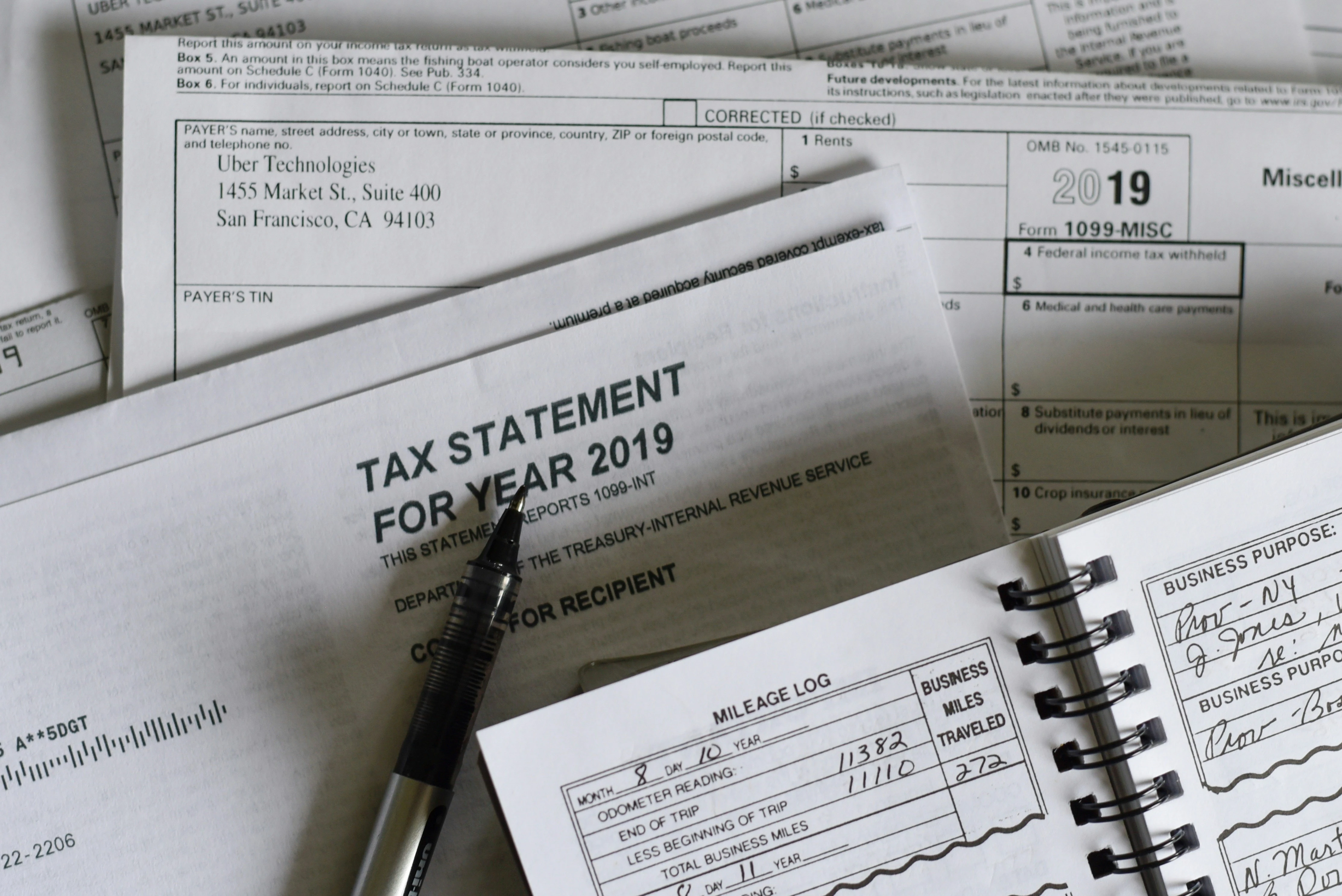
Tax season is live in France right now. Online filing on impots.gouv.fr opened on 9 April 2026, and the first deadlines hit in just over a month — paper returns by 19 May, and online returns staggered from 21 May to 4 June depending on your département. For expats, this is never a routine exercise: beyond the main formulaire 2042, you likely need the 2047 for foreign income, the 3916 for foreign bank accounts (€1,500 fine per missed account), and critical boxes like 1AF/1BF for foreign salary and 8TK for the credit d'impôt that prevents double taxation. First-year filers face the steepest learning curve because the tax office sends no reminder email if you haven't yet created an espace particulier. This guide walks through every stage — who must file, which forms apply, how to navigate impots.gouv.fr screen by screen, and how to avoid the five mistakes that cost expats hundreds of euros every year. If you've been putting this off, now is the week to act.

Read the article

Swiss Second Pillar (LPP/BVG): Complete Retirement Guide for Cross-Border Workers
Finance•April 3, 2026

Swiss Second Pillar (LPP/BVG): Complete Retirement Guide for Cross-Border Workers

If you work in Switzerland as a frontalier, a significant portion of your salary is automatically invested in the second pillar — Switzerland's occupational pension system (LPP/BVG). Understanding how it works, how much you contribute, and what happens when you leave Switzerland or retire is essential for long-term financial planning. Yet most cross-border workers barely know what is in their pension account.

Read the article
French Tax System for Expats: First Year, Partial Year, and Cross-Border Income Explained
Finance•April 2, 2026

French Tax System for Expats: First Year, Partial Year, and Cross-Border Income Explained

Arriving in France means entering one of Europe's most complex tax systems. Between the prélèvement à la source, the déclaration de revenus, the avis d'imposition, and special rules for partial-year and cross-border income, most expats overpay or miss deductions in their first years. This guide breaks down exactly how French taxation works for newcomers — with the legal references to back it up.

Read the article