
ExpatAdminHubEuropean expat guide
FR
Menu▾
HomePrivacyCookiesAboutContact
All guidesPreparationHousingFinanceHealthcareWorkFamily
ExpatAdminHubEuropean expat guide
HomePrivacyCookiesAboutContact
Categories
All guidesPreparation (checklists, visas, moving)Housing (rentals, utilities, neighborhoods)Finance (banking, taxes, budgeting)Healthcare (insurance, doctors, pharmacies)Work (jobs, contracts, work permits)Family (schools, childcare, family life)Culture (language, customs, integration)
FR

ExpatAdminHub

Practical guides for European expats navigating admin, housing, healthcare, and everyday life abroad.

Navigation

HomeAboutContactPrivacyTermsSitemap

Stay Updated

1 tip per week, no spam.

© 2026 ExpatAdminHub · European expat guide.
FR
  1. Home
  2. Blog
  3. Finance
  4. International Money Transfers for Expats in France (2025): Wise, Revolut, Banks – Fees, Rates, Real-World Tips
International Money Transfers for Expats in France (2025): Wise, Revolut, Banks – Fees, Rates, Real-World Tips

International Money Transfers for Expats in France (2025): Wise, Revolut, Banks – Fees, Rates, Real-World Tips

Published November 14, 2025

Moving money across borders is part of daily life for many expats: salary, pension, rent, children’s tuition, or supporting family abroad. Every euro matters, and bank fees can quietly eat a significant share of your income. In 2025, competition between fintechs like Wise, Revolut and N26 and traditional banks such as BNP Paribas, Société Générale or Crédit Agricole reaches a new phase. This guide breaks down real costs, delays, and practical ways to move your money without nasty surprises.

1) The 2025 context: goodbye to costly transfers

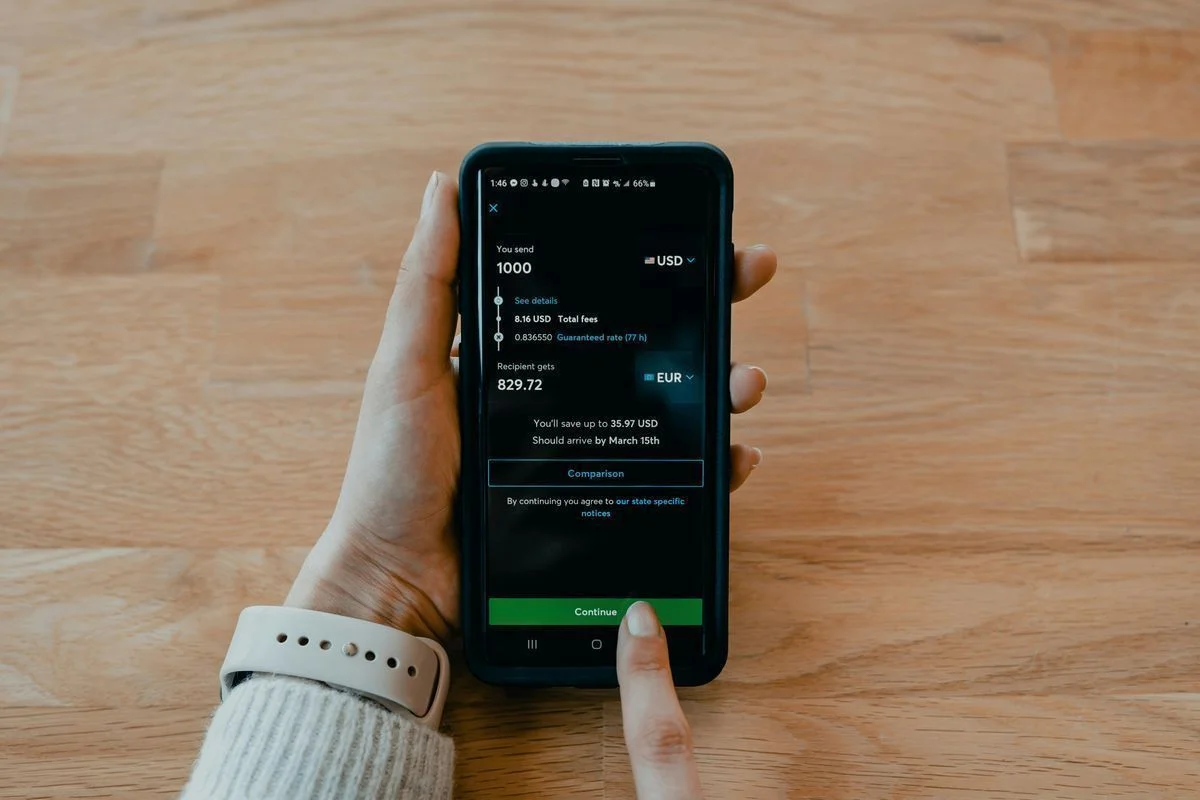
Inside the euro area, SEPA transfers in euros remain free or almost free in most French banks. The real problem starts once you move money in non-euro currencies such as GBP, USD, CHF or CAD. Traditional banks often charge a fixed fee (for example €15–25) plus a 2–3% FX margin added to their internal rate. Fintechs forced these costs into the open.

Wise uses the real mid-market rate and charges a transparent percentage fee (around 0.5% in many common routes). Revolut gives you an interbank rate within a monthly free allowance depending on your plan. N26 integrates Wise transfers directly in its app.

Example: sending €1,000 to the UK
- Around €25 through a traditional bank, with a delay of 3–5 business days
- Around €4.80 through Wise, often arriving in under 24 hours
- €0 through Revolut if you stay inside your monthly free FX quota

2) 2025 comparison at a glance

ServiceTypical feesSpeedFX rateMain advantagesMain drawbacks
-----------------------------------------------------------------------
Wise0.5–0.7%1–2 daysReal mid-marketFull transparency, clear trackingLess competitive on very tiny amounts
RevolutFree under a monthly quotaNear-instantInterbank rateFast, multi-currency card, analyticsWeek-end markup, monthly limits
N26 (via Wise)Same as Wise1–2 daysReal rateSimple in-app integrationFewer non-EUR options
French banks (BNP, SG, CA…)€15–25 + 2–3% FX margin3–5 daysOpaque internal rateLocal presence, branch networkHigher total cost, possible hidden fees
Western Union / MoneyGram€5–15 + FX marginMinutes to 24hOften weaker rateInstant cash pick-up worldwideVery expensive for regular large transfers

3) Real-world expat scenarios

A. British retiree in Nice
He transfers his monthly GBP pension to a euro current account in France. Switching from a large UK bank to Wise saves him several euros on each transfer, adding up to roughly €250 per year, simply by improving the FX rate and reducing fees.

B. Canadian student in Lyon
Her parents send 1,000 CAD monthly to cover rent and living costs. With Revolut, they convert Canadian dollars to euros at an interbank rate during the week, then send a local transfer instantly to their daughter’s French IBAN.

C. Swiss freelancer invoicing in CHF
He bills clients in Swiss francs to a Revolut Business account, then converts to euros to pay his expenses in France. Compared with a classic Swiss bank, his FX margin is cut by around two-thirds and transfers clear faster.

4) Tax rules and documentation

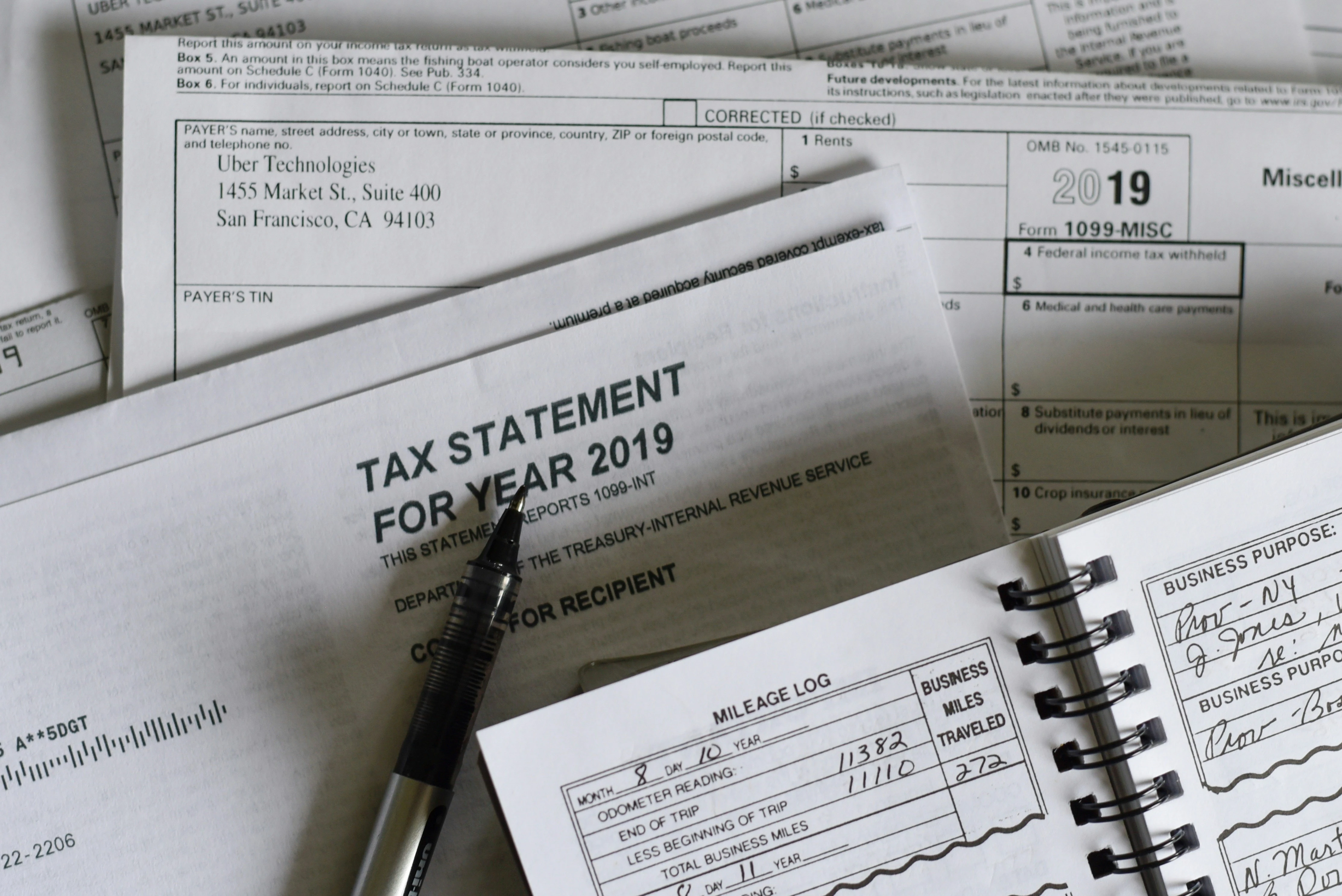
Money transfers themselves are not taxed as such in France. However, they can be reviewed by tax authorities if amounts are high or very regular. The goal is to check that the origin of funds matches what you declare.

- Declare any foreign bank accounts to the French tax administration using form 3916-bis on impots.gouv.fr.
- Keep PDF proof (statements, invoices, contracts) for any transfer above €10,000.
- In case of an audit, authorities can compare cash flows on your accounts with your declared tax reference income.

For social security or benefit claims, some agencies (for example the French family benefits fund CAF) or health insurance may ask for regular income or pension proof. In that context, detailed statements from Wise or Revolut can be accepted, as long as operations are clearly labelled.

If you are a retiree or non-working resident, changes to French social security rules can also affect how your income is assessed. For more context, see our dedicated guide: End of "Free Social Security" for Foreigners in France.

5) Practical tips to minimise fees

  • Check the real FX rate before sending, for instance through Google or an independent comparison site.
    - Avoid transferring on week-ends: some providers such as Revolut apply an extra FX margin outside business days.
    - Schedule recurring transfers (rent, pension, family support) through Wise or Revolut to smooth out currency fluctuations.
    - Use a multi-currency account if you regularly receive several currencies, for example Wise or N26.
    - For large amounts, test first with a small €10 transfer to confirm real speed, routing and any intermediary bank fees.

6) Internal guides worth reading next

  • Before optimising transfers, make sure your main current account is adapted to expat life. Our pillar guide on the best banks for expats in Europe helps you choose solid day-to-day banking: Best Banks for Expats in Europe.
    - If you plan to change bank entirely to access lower international fees, see our step-by-step article on how to switch safely: Switching Bank Accounts as an Expat.
    - Finally, for retirees and non-working residents, the end of "free" access to French social security has a direct impact on how your income is checked. Our in-depth explainer is here: End of "Free Social Security" for Foreigners in France.

7) Takeaway

International transfers are no longer a luxury service. With tools like Wise and Revolut, expats can save up to 90% in fees compared with traditional banks. The key is to take back control: compare options, test with small amounts, and automate what you can. Your money should follow your mobility, not hold it back.

Frequently Asked Questions

Are Wise or Revolut transfers legal in France?

Yes. Wise and Revolut are licensed and supervised within the European financial system (for example by the FCA or the Bank of Lithuania). As a French tax resident, your main duty is to declare any non-French accounts to the tax authorities using form 3916-bis.

Can I receive my salary on Wise or Revolut?

In practice yes, if your employer accepts an IBAN starting with BE or LT (the ones used by Wise and Revolut). Some employers or public bodies still prefer a French IBAN. In that case, a local account or an account with N26 makes salary payments easier, while you can still move funds to a multi-currency account afterwards to optimise FX.

Stay updated

For more practical insights on this topic, explore our related articles:

  • Wake Up to a Frozen Bank Account: The 8-Month Expat Trap Nobody Warns You About
  • January 1st Changed Your Tax Rate (Your Payslip Won't Tell You Until February)
  • Why Expat Tax Confusion Is Getting Worse — Even When You Do Everything Right
  • Why January Is When Expats Realise Something Is Wrong — But Can't Explain What

Conclusion: Expats no longer have to choose between slow or opaque transfers. Wise, Revolut and N26 made transparency the norm. For rent, pensions, salary or tuition, a few clicks are now enough to send or receive money in the right currency, with full visibility on fees and timing.

Stay Updated

1 tip per week, no spam.

About the author:

Jules Guerini is a European expat guide sharing practical, tested advice for navigating life abroad. Contact: info@expatadminhub.com

Related posts

Wake Up to a Frozen Bank Account: The 8-Month Expat Trap Nobody Warns You About
Finance•January 7, 2026

Wake Up to a Frozen Bank Account: The 8-Month Expat Trap Nobody Warns You About

You moved 8 months ago. Everything seemed fine. Then this morning: **declined card. Blocked transfer. Account closure notice.** Nothing dramatic happened yesterday. The problem was building in silence: • Your address change wasn't fully processed • Cross-border transactions triggered internal alerts • Tax and visa data created residency doubts European banks don't warn you. They watch. They wait. Then they act—suddenly. This article shows why thousands of expats lose banking access months after moving, how your residency and tax data are cross-checked right now, and what you can do tonight to prevent a freeze.

Read the article
January 1st Changed Your Tax Rate (Your Payslip Won't Tell You Until February)
Finance•January 6, 2026

January 1st Changed Your Tax Rate (Your Payslip Won't Tell You Until February)

January looks calm. No forms. No deadlines. No letters. **But behind the scenes, 12 tax parameters just reset.** Your residency status. Your contribution class. Your withholding rate. All recalculated—silently. You won't see it until February's payslip. By then, the assumptions are locked for the year. This article shows: • What actually resets on January 1st • Why locals barely notice but expats get hit hard • How to catch changes before they lock in You have one narrow window to fix this. It closes fast.

Read the article
Why Expat Tax Confusion Is Getting Worse — Even When You Do Everything Right
Finance•January 5, 2026

Why Expat Tax Confusion Is Getting Worse — Even When You Do Everything Right

Many expats blame themselves for tax confusion. They assume they missed a rule, misunderstood a form, or failed to prepare properly. In reality, expat tax confusion is not a personal failure — it is a structural one. Across Europe, systems designed for static lives are being applied to mobile ones. This article explains why expat tax confusion is increasing even as compliance improves, and why doing everything “right” no longer guarantees clarity or fairness.

Read the article