
ExpatAdminHubEuropean expat guide
FR
Menu▾
HomePrivacyCookiesAboutContact
All guidesPreparationHousingFinanceHealthcareWorkFamily
ExpatAdminHubEuropean expat guide
HomePrivacyCookiesAboutContact
Categories
All guidesPreparation (checklists, visas, moving)Housing (rentals, utilities, neighborhoods)Finance (banking, taxes, budgeting)Healthcare (insurance, doctors, pharmacies)Work (jobs, contracts, work permits)Family (schools, childcare, family life)Culture (language, customs, integration)
FR

ExpatAdminHub

Practical guides for European expats navigating admin, housing, healthcare, and everyday life abroad.

Navigation

HomeAboutContactPrivacyTermsSitemap

Stay Updated

1 tip per week, no spam.

© 2026 ExpatAdminHub · European expat guide.
FR
  1. Home
  2. Blog
  3. Culture & Daily Life
  4. Staying Balanced Abroad: The Modern Expat's Guide to Mental Wellbeing
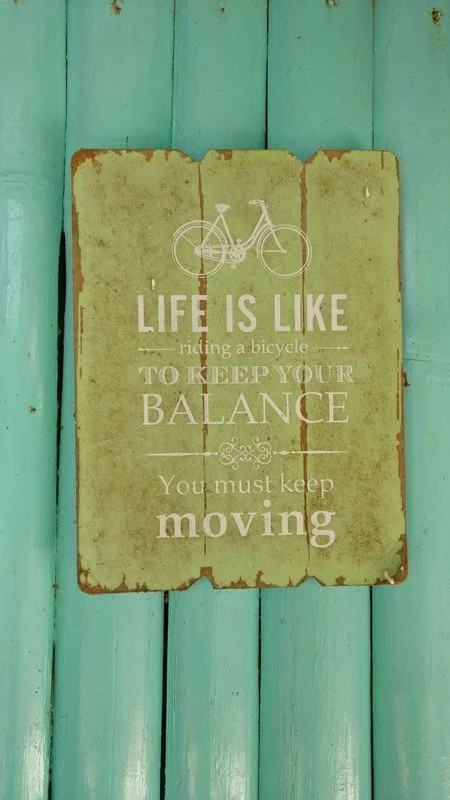
Expat practicing mindfulness and mental wellbeing while living abroad in Europe

Staying Balanced Abroad: The Modern Expat's Guide to Mental Wellbeing

Published October 26, 2025

Life abroad means freedom and adventure — but also loneliness, mental load, and nostalgia. Many expats master paperwork yet overlook their wellbeing. This practical guide explains how to protect your mental balance and energy when everything around you changes.

1. Understanding Emotional Culture Shock

Culture shock isn't just about language—it's a psychological transition. You go through four stages:

Honeymoon: everything's new and exciting.

Fatigue: energy dips, confusion rises.

Adjustment: patterns reappear.

Integration: life feels natural again.

Knowing these stages helps prevent guilt and panic. Just like the integration process requires structured steps, so does managing your mental wellbeing.

2. Build Your "Stability Zone"

Keep three fixed anchors:

Morning routine: coffee, walk, journaling—anything that grounds you.

Personal space: reading nook, balcony, local park.

Weekly ritual: call family, visit the market, cook a dish from home.

These anchors provide continuity while everything else shifts. Similar to how you establish your physical home, build your emotional home too.

3. Stay Connected Without Clinging

Video calls are vital but draining.

Turn nostalgia into active connection: share photos, plan a visit, send postcards instead of waiting for updates.

A healthy link is light—not heavy. Balance staying connected with family back home while engaging with local culture.

4. Find Local Support

Join expat and local groups alike. Many EU cities offer multilingual mental health centers:

• Berlin, Paris, Barcelona, Amsterdam all have multilingual support services

• Online services like *BetterHelp*, *TherapyRoute Europe*, or *Doctolib International* provide bilingual counseling

Don't hesitate to seek professional support—mental health is as important as physical healthcare.

5. Manage Admin Stress

Paperwork eats energy. Every document request (residence permits, housing benefits, health registration) drains mental resources.

Block one weekly "admin hour"—no more. The rest of the week, log off.

Use smart tools (like AdminLanding) to handle forms efficiently. When dealing with utility contracts or banking paperwork, having a system prevents overwhelm.

6. Real Story

Maya, from Canada, living in Toulouse, hit a slump after six months—loneliness, paperwork stress, gray weather. She joined yoga, scheduled her admin on Fridays, and wrote a French journal. Three months later, she says she finally feels "at home."

Her turning point? Recognizing that cultural adaptation takes time and requires both external connections and internal practices.

7. Warning Signs

Don't ignore these red flags:

• Sleep trouble or persistent irritability

• Avoiding all social contact

• Losing interest in daily life

• Feeling like an impostor ("I don't belong here")

Talk to someone before it deepens. Whether it's accessing healthcare or connecting with your local community, reach out for help.

8. Friendly Expat Tips

Take one digital detox weekend monthly: Disconnect from news and social media.

Write down weekly wins: Small ones count—made a phone call in the local language? Win!

Keep a "what helps me here" list: Document what works for you personally.

Don't try to rebuild your old life: Let the new one surprise you.

Connect with others: Whether through professional networks or social groups, building connections supports wellbeing.

Frequently Asked Questions

How can I find a therapist in my language abroad?

Use Doctolib International, TherapyRoute Europe, or local expat groups—many maintain bilingual practitioner lists. Many European countries have multilingual mental health services, especially in major cities.

Is it normal to feel low after a few months abroad?

Yes—the 'sixth-month slump' is common. It's not failure, just emotional adjustment. This is part of the natural culture shock cycle and typically improves with time and intentional wellbeing practices.

How does mental health connect to other expat challenges?

Mental wellbeing affects everything—from handling admin stress to building social connections to adapting to work culture. Taking care of your mental health makes all other aspects of expat life more manageable.

Stay updated

For more practical insights on this topic, explore our related articles:

  • The Dark Side of ‘Expat Freedom’ in Europe — What Social Media Never Shows
  • Is Europe Becoming Harder for Expats in 2025? The Reality Behind the Headlines
  • AI vs European Bureaucracy: Who Will Win by 2026 — And What It Means for Expats
  • Why So Many Expats Leave Europe After 2–3 Years — And Why Others Stay for Life

Conclusion: Living abroad is also living with yourself. Take care of your inner balance as much as your paperwork—that's the real long-term success.

Stay Updated

1 tip per week, no spam.

About the author:

Jules Guerini is a European expat guide sharing practical, tested advice for navigating life abroad. From admin to housing to healthcare, he focuses on simple strategies that actually work. Contact: info@expatadminhub.com

Related posts

The Dark Side of ‘Expat Freedom’ in Europe — What Social Media Never Shows
Culture•December 23, 2025

The Dark Side of ‘Expat Freedom’ in Europe — What Social Media Never Shows

Scroll through social media and the image is irresistible: laptops on balconies, café workdays, slow mornings, spontaneous travel, and a life seemingly free from constraints. Europe is often portrayed as the ultimate playground for expat freedom — especially for remote workers, freelancers, and mobile professionals. Yet behind the curated images lies a reality few talk about openly. Freedom, in Europe, is conditional. And for many expats, the cost of that freedom only becomes visible months or years after arrival. This article explores the dark side of the ‘expat freedom’ narrative — not to discourage relocation, but to replace illusion with clarity.

Read the article

Is Europe Becoming Harder for Expats in 2025? The Reality Behind the Headlines
Culture•December 18, 2025

Is Europe Becoming Harder for Expats in 2025? The Reality Behind the Headlines

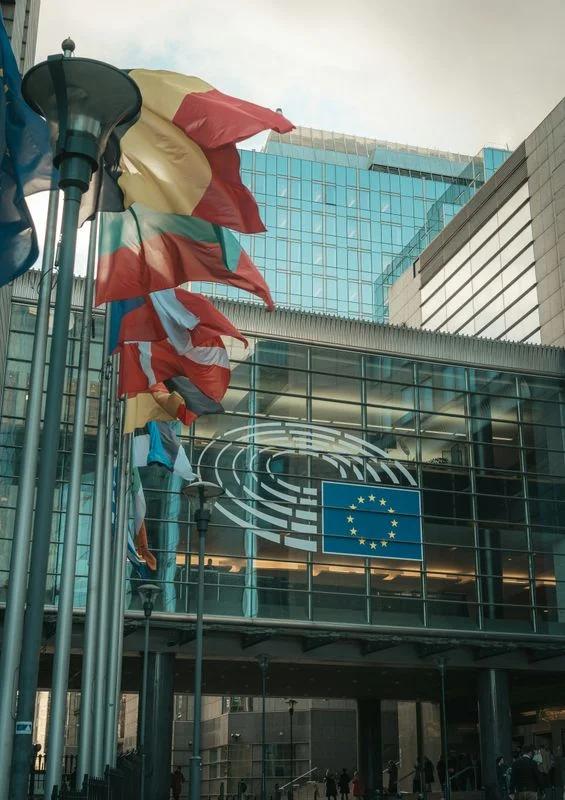
Scroll through expat forums, social media, or headlines in late 2024 and one narrative dominates: Europe is becoming harder for expats. Visas are stricter. Taxes are higher. Bureaucracy is heavier. Benefits are harder to access. Many newcomers arrive already convinced that Europe has closed in on itself. Yet at the same time, millions of expats continue to settle, integrate, and build long-term lives across the continent. So which version is true? In 2025, is Europe genuinely becoming more hostile to expats — or is something more subtle happening beneath the surface?

Read the article
AI vs European Bureaucracy: Who Will Win by 2026 — And What It Means for Expats
Culture•December 17, 2025

AI vs European Bureaucracy: Who Will Win by 2026 — And What It Means for Expats

European bureaucracy has survived wars, currency changes, digital revolutions, and decades of reform attempts. It is slow, resilient, and deeply embedded in legal culture. Artificial intelligence, on the other hand, moves fast, adapts instantly, and thrives on complexity. As Europe accelerates its digital transformation, a quiet confrontation is taking place: not AI replacing administrations, but AI reshaping how people survive them. By 2026, this shift will profoundly change the expat experience. The question is no longer whether AI will interact with bureaucracy — but who will control the interaction.

Read the article