

ExpatAdminHubEuropean expat guide
FR
Menu▾
HomePrivacyCookiesAboutContact
All guidesPreparationHousingFinanceHealthcareWorkFamily
ExpatAdminHubEuropean expat guide
HomePrivacyCookiesAboutContact
Categories
All guidesPreparation (checklists, visas, moving)Housing (rentals, utilities, neighborhoods)Finance (banking, taxes, budgeting)Healthcare (insurance, doctors, pharmacies)Work (jobs, contracts, work permits)Family (schools, childcare, family life)Culture (language, customs, integration)
FR

ExpatAdminHub

Practical guides for European expats navigating admin, housing, healthcare, and everyday life abroad.

Navigation

HomeAboutContactPrivacyTermsSitemap

Stay Updated

1 tip per week, no spam.

© 2026 ExpatAdminHub · European expat guide.
FR
  1. Home
  2. Blog
  3. Housing
  4. Before Winter: Switching Energy Supplier, Understanding Housing Charges, and Avoiding Bill Surprises
Expat reviewing energy bills and housing charges before winter season in European apartment

Before Winter: Switching Energy Supplier, Understanding Housing Charges, and Avoiding Bill Surprises

Published October 19, 2025

October is the perfect time to review your energy contract and clarify housing charges. Many expats find estimated bills, advance payments, and annual adjustments confusing. Here's how to read your statements, compare offers, and secure payments before the cold sets in.

The situation

You've moved in (or completed a first year) and the big bills arrive: electricity, gas, district heating, water. Between estimates, meter indexes, subscriptions, and local taxes, it's hard to tell what's normal and what isn't.

Estimated vs actual readings: many suppliers alternate estimates and real reads. An annual 'true-up' reconciles the difference.

Monthly advances: you pay a smoothed amount based on your past use or a standard profile.

District/collective heat: if your building has shared heating, part of building charges covers energy and maintenance; sometimes an individual allocator tracks your share.

Network fees / taxes: separate from the supplier; this is why two offers can look similar yet differ in final price.

What to expect

Estimated vs actual readings: many suppliers alternate estimates and real reads. An annual 'true-up' reconciles the difference.

Monthly advances: you pay a smoothed amount based on your past use or a standard profile.

District/collective heat: if your building has shared heating, part of building charges covers energy and maintenance; sometimes an individual allocator tracks your share.

Network fees / taxes: separate from the supplier; this is why two offers can look similar yet differ in final price.

What to prepare

1. Read your meters: take a dated photo (electricity/gas/water). Most providers accept online submissions.

2. List power-hungry devices: space heaters, tumble dryer, cooktop, water heater.

3. Gather documents: lease (with/without utilities), last bill, IBAN (SEPA), occupancy attestation if asked. If you need help setting up your local bank account, check our banking guide.

4. Compare offers: check monthly subscription, kWh price, indexation (fixed/variable), contract length, customer support.

5. Check payment setup: SEPA direct debit, monthly plan, dispute window.

Step-by-step to switch supplier (real example)

Step 1 – Reading: photograph your electricity (day/night if dual tariff) and gas meters.

Step 2 – Simulation: enter estimated annual use (or current indexes) into 2–3 comparison tools; shortlist two realistic offers (12-month plan, English-speaking support if needed).

Step 3 – Sign-up: complete it online. The new supplier usually cancels the old one for you (no outage). Set up your monthly payment schedule.

Step 4 – Follow-up: activate your online account and any over-consumption alerts.

Understanding building charges

Recoverable charges: elevator, common-area cleaning, collective heat, cold/hot water depending on building.

Non-recoverable: major works, property management fees.

Advance vs annual adjustment: you pay monthly advances; once a year the landlord reconciles actuals. Ask for a breakdown if differences are large. If you're renewing your lease this autumn, check our lease renewal guide for negotiation tips.

Friendly expat tips

• A thermometer/hygrometer (≈€10–15) helps you avoid overheating.

• Clear space around radiators and bleed them if needed (water heating).

• Lids + electric kettle = quick wins in the kitchen.

• In apartments, watch the reading schedule posted in the lobby.

• If you're still setting up your home, review our complete renting guide for more housing essentials.

Frequently Asked Questions

Will switching supplier cut my power or gas?

In most cases, no: the new supplier handles the paperwork. You provide a starting meter reading and your contact/billing details.

How do I spot an abnormal bill?

Compare kWh to the same months last year, check peak-hour usage, and hunt for devices left on (space heater, always-on water tank).

Does an 'all-inclusive' lease truly include everything?

Often not. Ask for the detailed list: some items remain individual (in-unit electricity, internet).

Stay updated

For more practical insights on this topic, explore our related articles:

  • Renovate Now or Wait? The Energy Renovation Timing Trap Facing European Households
  • European Housing 2025: Rent Caps, New Tenant Rights & Digital Contracts — The Essential Expat Guide
  • The 2025–2026 Expat Housing Shock: Why Rents Are Surging in Europe — and How to Protect Yourself
  • Finding English-Speaking Real-Estate Agents in France (2025): Navigating the Market Like a Pro

Conclusion: This October, invest 60 minutes: read your meters, compare two offers, lock your payment plan, and review building charges. You'll enter winter with clear, manageable bills.

Stay Updated

1 tip per week, no spam.

About the author:

Jules Guerini is a European expat guide sharing practical, tested advice for navigating life abroad. From admin to housing to healthcare, he focuses on simple strategies that actually work. Contact: info@expatadminhub.com

Related posts

Renovate Now or Wait? The Energy Renovation Timing Trap Facing European Households
Housing•December 28, 2025

Renovate Now or Wait? The Energy Renovation Timing Trap Facing European Households

Across Europe, millions of households are asking the same question: should we renovate now — or wait for better subsidies, clearer rules, or lower prices? This hesitation feels rational. In reality, it often leads to higher costs, missed incentives, and rushed decisions later. This article explains the hidden timing trap behind energy renovation.

Read the article
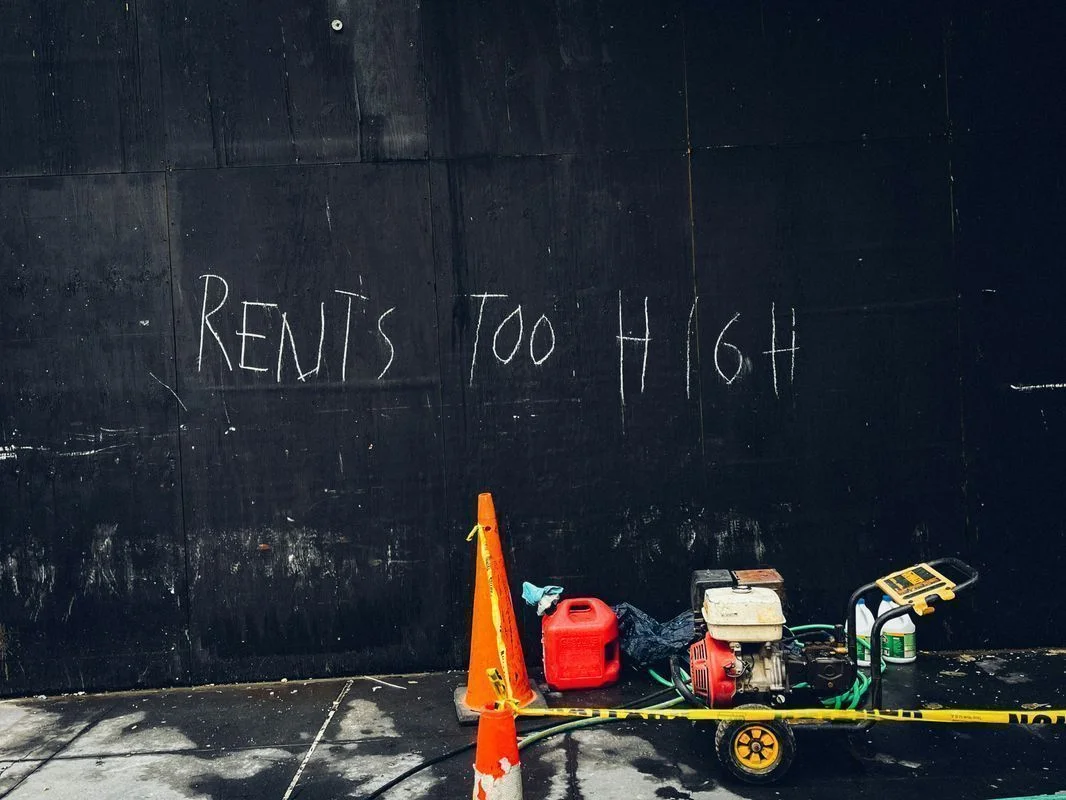

European Housing 2025: Rent Caps, New Tenant Rights & Digital Contracts — The Essential Expat Guide
Housing•December 7, 2025

European Housing 2025: Rent Caps, New Tenant Rights & Digital Contracts — The Essential Expat Guide

Europe’s rental market is hitting a historic turning point. With soaring rents, massive post-COVID relocations, remote work shifting demand, and housing shortages in several countries, the EU and national governments have accelerated reforms. The result: 2025 is a decisive year for expats. New rent caps are spreading, tenant rights are expanding, governments are inspecting quality more aggressively, and a silent revolution is underway: the digitalisation of rental contracts. This long-form guide—written for expats navigating unfamiliar systems—explains what’s changing, how to prepare, and how to avoid the administrative traps of renting in a country you’re still learning to decode.

Read the article
The 2025–2026 Expat Housing Shock: Why Rents Are Surging in Europe — and How to Protect Yourself
Housing•November 26, 2025

The 2025–2026 Expat Housing Shock: Why Rents Are Surging in Europe — and How to Protect Yourself

Berlin, Madrid, Lisbon, Paris, Amsterdam… everyone is saying it: rents are out of control. For expats, pressure is even higher with international competition and stricter paperwork. This 2025–2026 guide explains the housing shock — and how to protect yourself instead of being pushed out.

Read the article