
ExpatAdminHubEuropean expat guide
FR
Menu▾
HomePrivacyCookiesAboutContact
All guidesPreparationHousingFinanceHealthcareWorkFamily
ExpatAdminHubEuropean expat guide
HomePrivacyCookiesAboutContact
Categories
All guidesPreparation (checklists, visas, moving)Housing (rentals, utilities, neighborhoods)Finance (banking, taxes, budgeting)Healthcare (insurance, doctors, pharmacies)Work (jobs, contracts, work permits)Family (schools, childcare, family life)Culture (language, customs, integration)
FR

ExpatAdminHub

Practical guides for European expats navigating admin, housing, healthcare, and everyday life abroad.

Navigation

HomeAboutContactPrivacyTermsSitemap

Stay Updated

1 tip per week, no spam.

© 2025 ExpatAdminHub · European expat guide.
FR
  1. Home
  2. Blog
  3. Finance
  4. Why So Many Expats Discover in January That They Overpaid Thousands in Taxes — And How It Happens
Why So Many Expats Discover in January That They Overpaid Thousands in Taxes — And How It Happens

Why So Many Expats Discover in January That They Overpaid Thousands in Taxes — And How It Happens

Published December 24, 2025

Every January, the same quiet shock spreads through expat communities across Europe. People open tax summaries, simulation tools, or letters from authorities and realise something unsettling: they paid far more tax than they should have. Not because they broke the law. Not because they earned unexpectedly more. But because of structural misunderstandings that only become visible once the year is over. This discovery often happens too late to fix. This article explains why so many expats overpay taxes, why the realisation almost always comes in January, and how perfectly reasonable decisions throughout the year quietly compound into expensive mistakes.

Why January Is the Month of Tax Regret

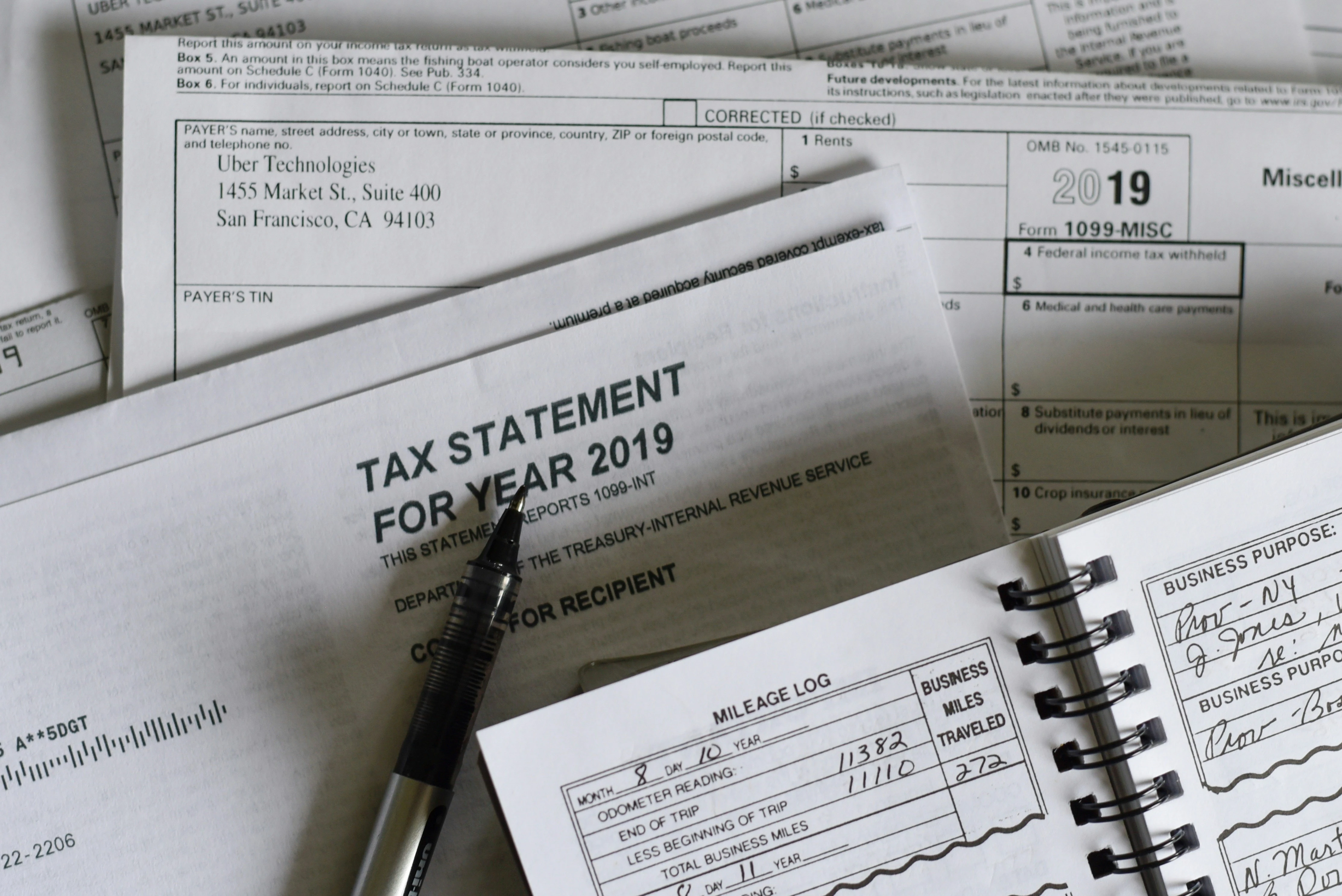
January is when clarity replaces assumptions. During the year, taxes feel abstract: withheld at source, estimated, deferred, or handled by employers. In January, numbers solidify. Annual statements arrive. Online simulations finally include the full year instead of a few recent payslips.

For expats, this is often the first moment the entire cross-border picture becomes visible: salary, benefits, freelance income, cross-border work, and investment accounts in different countries. The result can be brutal: what felt "normal" month to month turns into an unexpectedly high final bill — or refunds that can no longer be claimed because deadlines have already passed.

If you want a structured way to review your position before filing, pair this article with the Expat year-end checklist for Europe. It walks through the documents and deadlines that most directly affect whether you overpay or not.

The Core Problem: Taxes Are Territorial, Lives Are Not

Most expats live cross-border lives: income from one country, residence in another, family elsewhere, assets spread across systems. European tax rules, however, are territorial and rigid. They assume coherence:

  • one main tax residence;
  • one primary social-security system;
  • income declared to the "right" country by default.

When real lives do not fit that pattern, the system does not adapt automatically — it defaults to the most conservative, often most expensive interpretation. A salary earned in Switzerland while living in France, or rental income from a former home country while now resident in Spain, can trigger tax or contribution treatment that is technically legal but unnecessarily harsh compared with what a correctly structured situation would allow.

This is the same structural tension that appears in housing, healthcare and banking. Articles such as Geneva region 2025 and EU banking shock show how cross-border lives collide with territorial systems long before tax season — January just makes the bill visible.

Withholding at Source: The Silent Overpayment Engine

Withholding systems are designed to protect governments, not optimise individual outcomes. By default, many payroll engines assume:

  • no special deductions;
  • no family quotient or children;
  • no cross-border corrections;
  • no access to special regimes you have not explicitly claimed.

For expats, this often means the rate applied all year is based on incomplete or outdated information. It may ignore your actual household situation, overseas income that should unlock treaty relief, or deductible expenses (such as cross-border commuting costs or mandatory social contributions abroad).

Month to month, the payslip still looks reasonable. The problem only appears when the full year is reconciled against the rules. Many expats discover in January that withholding was never meant to be a fair estimate — it was a cautious overpayment until proven otherwise. If you have ever received a surprise refund or top-up bill months later, you have already experienced this gap.

The Residency Assumption That Costs Thousands

Most people assume tax residency is obvious: it is where you live, work, or spend most nights. European tax authorities use more precise criteria: centre of vital interests, days of presence, household location, ties to social security, and sometimes even school enrolment for children.

For expats, it is easy to drift into a grey zone: working remotely for an employer in one country, renting in another, while keeping a house or bank account in a third. Payroll and withholding may quietly treat you as resident in one country while, on paper, treaty rules say you are resident somewhere else.

That mismatch can lead to double taxation, loss of favourable regimes, or missed access to allowances designed for cross-border workers. Worse, it is often discovered only after the year closes — typically when a tax advisor, simulation tool, or tax office letter forces a reclassification.

If your situation is already complex, read this article alongside EU residence rules 2025 and EU residency changes 2025. Understanding where you are truly resident on paper is the foundation of any serious tax optimisation.

Missed Elections and Forgotten Options

European tax systems contain choices that must be actively elected:

  • joint vs individual filing for couples;
  • cross-border options for residents with foreign income;
  • special regimes for incoming workers;
  • child, housing or work-related deductions that require specific boxes or forms.

These options are not automatic, even when you clearly qualify. If you do not tick the right box or file the right annex, the system simply applies the default — often the most expensive one.

Expats typically discover these elections only when it is too late: chatting with colleagues after filing, reading an article in March, or consulting an advisor the year after. At that point, deadlines for amending returns may have passed, or the practical value of changes is already reduced.

The year-end routines outlined in the Expat year-end checklist are designed precisely to surface these elections while they are still actionable, not in January when they turn into regrets.

The "I’ll Fix It Later" Trap

Many expats postpone understanding their tax position because they feel overwhelmed by bureaucracy in a new country. They tell themselves they will "sort it out later" once they have more time, better language skills, or access to a recommended professional.

The problem is that European tax optimisation is often timing-sensitive. Certain steps must be taken before 31 December: choosing a filing status, making deductible payments, registering as a cross-border worker, or aligning social-security coverage. Once the year closes, you move from optimisation to damage control.

This pattern is not limited to taxes. The article 10 Costly Mistakes Expats in Europe Make in Their First Year shows the same psychology in housing, healthcare and visas: waiting until you feel "settled" often means waiting until the system’s most helpful options are no longer available.

Why Employers and Payroll Rarely Protect Expats

Employers optimise compliance, not your personal tax bill. Payroll teams are rewarded for submitting correct declarations on time, not for spotting that you could save money by changing filing status or claiming a cross-border regime.

In practice, this means:

  • payroll uses default tax rates until you prove otherwise;
  • HR rarely tracks the finer points of double-tax treaties;
  • global mobility teams focus on high-profile moves, not everyday cross-border commuters;
  • nobody is officially responsible for making sure you do not overpay.

This does not mean employers are hostile — just that the system quietly shifts responsibility to you. Articles like Digital nomad rules 2025 and Expat housing shock show similar gaps: institutions meet their own obligations, but no one coordinates the full picture unless you ask for it explicitly.

Cross-Border Income: Where Complexity Explodes

Multiple income sources across countries amplify every weakness in your setup. Exchange rates, reporting obligations, social contributions, tax credits, and treaty mechanisms all interact in ways that are easy to get legally "acceptable" but financially suboptimal.

Common examples include:

  • cross-border workers taxed at source without correctly applying treaty credits in the country of residence;
  • pensions or rental income from a former home country taxed twice because returns are not coordinated;
  • investment accounts left abroad that generate withholding tax which could be recovered but never is.

Most expats in this situation declare correctly — but inefficiently. No one explains how to match foreign income boxes, or how to request a tax credit for income already taxed abroad. The result is invisible overpayment that only emerges when someone finally runs a proper reconciliation.

To understand how tax and banking infrastructure interact, read this article together with Expat banking 2025 and Europe expat banking shake-up. They show how seemingly small account choices change the way your tax file is interpreted.

Why This Happens Even to Smart, Careful People

Overpaying taxes is not a sign of incompetence. It is a structural outcome of navigating systems designed for locals with linear lives. The rules are written for people who have:

  • one employer;
  • one country of residence;
  • one health-insurance system;
  • assets held in the country of residence only.

Expats break every one of these assumptions at once. They are punished not for doing things "wrong" — but for not knowing which "right" options exist. Many of the people who discover huge overpayments in January are organised, diligent professionals who followed official instructions step by step.

If you recognise yourself in this description, you are not alone. The emotional fallout — shame, frustration, decision fatigue — is one reason administrative burnout among expats has grown so quickly, as described in Administrative burnout: why expats struggle more in Europe in 2025.

What Experienced Expats Do Differently

Seasoned expats treat taxes as a year-long process, not a spring chore. Long before January, they:

  • validate where they are truly resident for tax and social-security purposes;
  • map all income sources by country and treaty article;
  • run basic simulations in autumn rather than waiting for the final bill;
  • track which elections and options are one-time, annual, or irrevocable.

They also build systems: a single digital folder for key documents, recurring reminders for filing deadlines, and a simple checklist that connects taxes to housing, healthcare and banking. Many borrow structures from broader guides like Moving to Europe 2025: the ultimate checklist or the cost-of-living analysis in European cost-of-living reset.

The goal is not perfection. It is simply to ensure that January confirms what they already expect instead of exposing expensive surprises.

What This Means If You Are Reading This on Christmas Eve

If you are reading this on or around Christmas, you are in a narrow but valuable window. Some decisions for the current year may still be adjustable — especially if your country allows certain deductible payments or registration steps until 31 December. Even if most options are now locked in, understanding the mechanics today changes the next twelve months.

Practically, you can:

  • gather payslips, bank statements and cross-border income records in one place;
  • run at least one serious tax simulation for your main country of residence;
  • note any elections or checkboxes you do not understand and flag them for advice;
  • schedule time in January to align your tax, healthcare and benefit records (for example with CAF in France if you have children or housing claims).

Taken together, these steps turn January from a month of regret into the start of a clearer, more controlled financial year.

Frequently Asked Questions

Is overpaying taxes common for expats?

Yes. It is extremely common, especially in the first years abroad. Cross-border workers, remote employees with foreign employers, and families who moved mid-year are particularly exposed because systems make conservative assumptions unless you actively optimise them.

Is it legal to optimise taxes as an expat?

Yes. Using elections, deductions and treaty mechanisms correctly is legal and expected. Tax authorities design these options to match real-life situations, but they rarely advertise them actively. Illegality begins when information is hidden or fabricated — not when you choose the most favourable option allowed by the rules.

Can past tax overpayments be fixed?

Sometimes. Many European countries allow amended returns or correction requests within a limited window, often two to four years. However, some elections must be made on time and cannot be changed later. The longer you wait, the fewer options remain — which is why a structured year-end review is so important.

Do double-tax treaties automatically protect expats?

No. Treaties provide a framework, but they are not self-executing. You usually need to declare foreign income in a specific way, claim treaty relief, or provide certificates from the other country. If you file returns as if there were no treaty, the system will not correct you by default.

Do I always need a tax advisor?

Not always. For simple situations, official guidance and reliable checklists can be enough. But once you have cross-border income, business activities, or multiple moves within a few years, professional help becomes less about "saving on fees" and more about avoiding multi-year, four-figure mistakes. A good advisor should help you set up a structure you can then maintain yourself.

Stay updated

For more practical insights on this topic, explore our related articles:

  • AI Car Insurance Is Exploding in Europe in 2025 — What Expats Need to Know Before Switching
  • The 2025 European Cost-of-Living Reset: Where Expats Actually Save Money This Winter — Real Numbers, Admin Impacts & AI Survival Strategies
  • EU Banking Shock 2025: New KYC, Account Freezes & Cross-Border Transfers — The Expat Guide
  • 2025 Year-End Checklist for Expats in Europe: Visas, Healthcare, Taxes, Banking

Conclusion: Most expats do not overpay taxes because they are careless. They overpay because the system does not warn them when better paths exist — and because the most crucial choices are often invisible until the year is already over. January is when the cost of silence becomes visible. The solution is not panic or aggressive avoidance schemes, but awareness, timing and structure. European tax systems reward people who prepare early, keep their records coherent and understand the main options available to them. If you treat the coming year as a long, quiet tax project rather than a last-minute chore, January will stop being the month of regret and become the month where everything still makes sense.

Stay Updated

1 tip per week, no spam.

About the author:

Jules Guerini is a European expat guide sharing practical, tested advice for navigating life abroad. Contact: info@expatadminhub.com

Related posts

AI Car Insurance Is Exploding in Europe in 2025 — What Expats Need to Know Before Switching
Finance•December 22, 2025

AI Car Insurance Is Exploding in Europe in 2025 — What Expats Need to Know Before Switching

Car insurance is one of the first administrative shocks many expats experience in Europe. Prices feel opaque, rules vary by country, and insurers seem to penalise anything that does not fit a perfectly local profile. In 2025, a new player is changing this landscape: AI-driven car insurance. Startups like Ominimo are exploding in search interest, promising smarter pricing, faster onboarding, and fairer premiums. For expats, this sounds almost too good to be true. And as always in Europe, the reality sits somewhere between innovation and regulation. This article explains what AI car insurance really changes, what it does not, and why expats need to approach it with both curiosity and caution.

Read the article
The 2025 European Cost-of-Living Reset: Where Expats Actually Save Money This Winter — Real Numbers, Admin Impacts & AI Survival Strategies
Finance•December 12, 2025

The 2025 European Cost-of-Living Reset: Where Expats Actually Save Money This Winter — Real Numbers, Admin Impacts & AI Survival Strategies

Europe enters winter 2024–2025 with a very different economic landscape: food inflation stabilising in the West, rents cooling in secondary cities, electricity prices fluctuating but more predictable, and new EU-wide consumer protections coming into effect on 1 January. For expats, this winter is not only about coping with higher costs — it is about strategically positioning yourself in a city or region where quality of life remains high while finances stay under control. This article breaks down the real numbers, the hidden administrative impacts, and where expats actually save money across Europe in 2025. Beyond comparison tables, it provides survival strategies and practical AI workflows to help you navigate housing, healthcare, insurance, and cross-border financial optimisation.

Read the article
EU Banking Shock 2025: New KYC, Account Freezes & Cross-Border Transfers — The Expat Guide
Finance•December 5, 2025

EU Banking Shock 2025: New KYC, Account Freezes & Cross-Border Transfers — The Expat Guide

2025 is the year European banks tighten everything. New KYC rules, automatic address checks, temporary account freezes when data does not match, stronger cross-border transfer monitoring and less tolerance for unverified foreign IBANs. Expats are directly affected. This guide explains what is changing, why it is happening now and how to stay safely on the right side of the system.

Read the article