
ExpatAdminHubEuropean expat guide
FR
Menu▾
HomePrivacyCookiesAboutContact
All guidesPreparationHousingFinanceHealthcareWorkFamily
ExpatAdminHubEuropean expat guide
HomePrivacyCookiesAboutContact
Categories
All guidesPreparation (checklists, visas, moving)Housing (rentals, utilities, neighborhoods)Finance (banking, taxes, budgeting)Healthcare (insurance, doctors, pharmacies)Work (jobs, contracts, work permits)Family (schools, childcare, family life)Culture (language, customs, integration)
FR

ExpatAdminHub

Practical guides for European expats navigating admin, housing, healthcare, and everyday life abroad.

Navigation

HomeAboutContactPrivacyTermsSitemap

Stay Updated

1 tip per week, no spam.

© 2025 ExpatAdminHub · European expat guide.
FR
  1. Home
  2. Blog
  3. Preparation
  4. The European Expat Pre-Move Master Plan: 90/60/30/7-day checklist, scripts and pitfalls
The European Expat Pre-Move Master Plan: 90/60/30/7-day checklist, scripts and pitfalls

The European Expat Pre-Move Master Plan: 90/60/30/7-day checklist, scripts and pitfalls

Published October 6, 2025

Moving countries is a project. Treat it like one. Use the 90/60/30/7 timeline below to avoid last-minute stress and the classic traps that cost time and money.

90 days before — foundation

• Passport validity (≥ 12 months), certified copies, digital scan folder.

• Residence/visa needs (if non-EU family or UK/CH cases). Start appointments now. Check our guide on the new EES border system for travel requirements.

• Money: open a multi-currency account (Wise/Revolut) + keep home bank. Set aside 3 months' living costs. Learn about opening a European bank account.

• Health: request EHIC (if eligible), vaccination records, prescriptions with generic names. Read more about European health insurance.

• Work: request reference letters, contract drafts, salary currency & pay schedule.

60 days — housing & paperwork engine

• Housing scouting: book 2 weeks' temporary stay (apart-hotel/short let). Create a rental dossier PDF: ID, income, savings, employer letter, previous landlord ref. See our complete guide on renting your first home abroad.

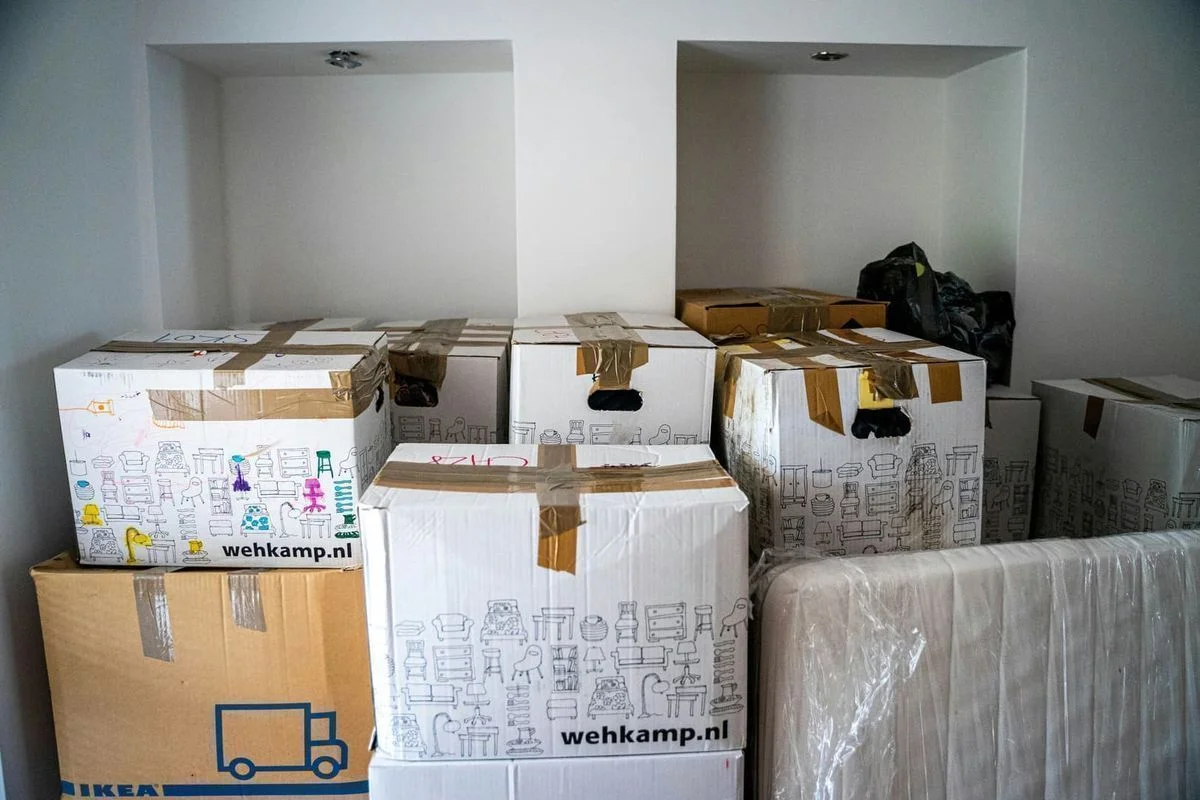
• Shipping: compare suitcase shipping vs. small van vs. storage. Photograph valuables.

• Kids/pets: start school document translations; check pet vaccines & microchip rules. If moving with family, read about enrolling children in European schools.

• Tax IDs: research host country ID (e.g., NIF/NIE, Steuer-ID). Prepare notarised copies.

30 days — convert to commitments

• Sign employment offer; confirm start date & probation.

• Book city hall/registration appointments.

• Insurance: travel cover for 60 days + liability insurance quotes in host country.

• Budget: simulate first 3 months (rent, deposit, transport, SIM, groceries).

7 days — final pack & backups

• Two wallets: carry originals + a cloud folder link of all PDFs.

• Cash cushion: €300–€500 for deposits/transport when cards fail.

• SIM strategy: eSIM on arrival + keep home SIM active for 2FA.

• Copies: print 10 passport copies; 4 passport photos.

Scripts you can copy

Employer proof: "To help with housing, could you issue a signed letter confirming my role, gross salary, start date, and permanent contract status?"

Landlord intro: "We're relocating for work on [date]. Attached is our rental dossier (income, references, savings). Happy to pay 3 months upfront if required."

Classic pitfalls (and quick fixes)

• Paying rent before viewing → Fix: video tour + verified agency + escrow.

• Only one bank → Fix: keep home bank + EU e-money account.

• No paper copies → Fix: carry 10 copies; many offices still need them.

• Appointments too late → Fix: book any slot; reschedule locally.

Frequently Asked Questions

When should I start?

Three months out is ideal. If you have less time, do 30/7-day blocks ruthlessly.

Digital vs paper copies?

Carry both. Offices still stamp paper; digital keeps you safe if you lose a folder.

Stay updated

For more practical insights on this topic, explore our related articles:

  • Moving to Europe in 2025? The Ultimate Expat Checklist No One Gives You (But Everyone Needs)
  • 10 Costly Mistakes Expats in Europe Make in Their First Year — And How to Avoid Them in 2025

Conclusion: Preparation doesn't remove uncertainty, it shrinks it. With this timeline, you'll arrive focused on opportunities, not firefighting.

Stay Updated

1 tip per week, no spam.

About the author:

Jules Guerini is a European expat guide sharing practical, tested advice for navigating life abroad. From admin to housing to healthcare, he focuses on simple strategies that actually work. Contact: info@expatadminhub.com

Related posts

Moving to Europe in 2025? The Ultimate Expat Checklist No One Gives You (But Everyone Needs)
Preparation•December 15, 2025

Moving to Europe in 2025? The Ultimate Expat Checklist No One Gives You (But Everyone Needs)

Every year, millions of people move to Europe — and most of them are given the wrong checklist. They are told what to pack, how to book a flight, maybe how to find an apartment. What they are not told is how Europe actually works once you arrive: how deadlines silently start, how administrations interconnect, how one early decision can lock you into years of complications, and how stress accumulates when nothing seems urgent — until everything is. This is the checklist no one gives you, but every successful expat ends up reconstructing the hard way. Updated for 2025, it focuses on what truly matters: administrative sequencing, financial protection, and mental clarity.

Read the article

10 Costly Mistakes Expats in Europe Make in Their First Year — And How to Avoid Them in 2025
Preparation•December 14, 2025

10 Costly Mistakes Expats in Europe Make in Their First Year — And How to Avoid Them in 2025

Last month, Sarah from Toronto lost €2,400 in her first six months in Lyon. Not to scams or bad decisions — but to administrative mistakes she didn't even know she was making. She's not alone. **In 2025, the average expat loses between €1,800 and €4,200 in their first year** through delayed registrations, missed deadlines, overpayments, and rejected applications. The worst part? These mistakes are 100% avoidable — but only if you know what to watch for. European administrative systems are designed for locals, not newcomers. They're fragmented, unforgiving, and full of invisible traps that cost you time, money, and peace of mind. This guide reveals the ten most expensive first-year mistakes expats make in Europe in 2025 — and gives you the exact step-by-step solutions to avoid every single one.

Read the article